June 16, 2026
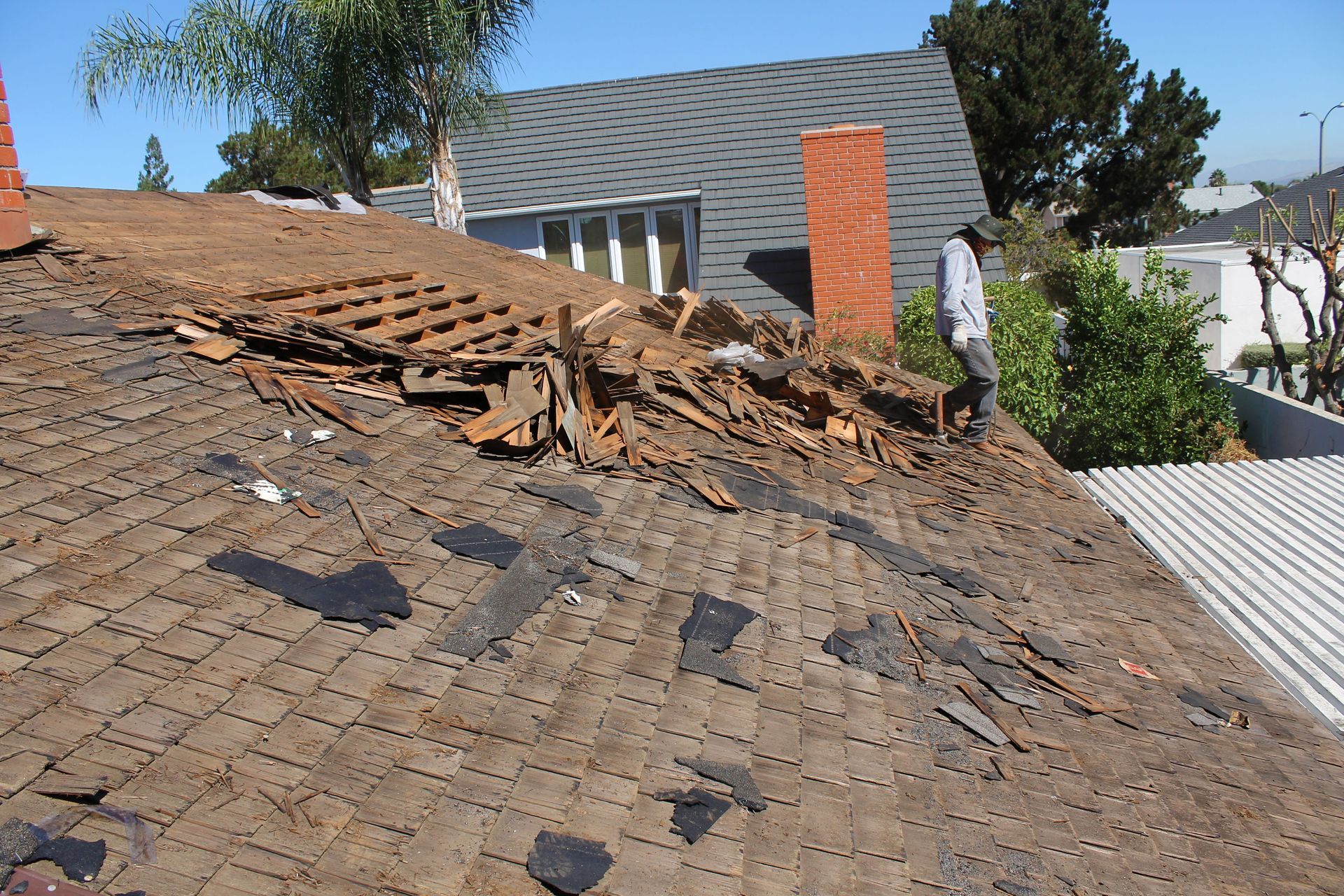
The roofing industry generates a massive amount of waste annually during standard replacement projects. When homeowners and commercial property managers decide it is time to upgrade their roofs, the old materials are stripped away and traditionally hauled straight to local dumping grounds. This creates a significant environmental burden that modern construction and roofing professionals are actively trying to mitigate. A highly effective method to address this growing ecological concern is by shifting toward sustainable practices that prioritize material reuse. Engaging with specialized organizations that handle post-consumer roofing waste offers a viable pathway toward sustainability. By establishing a professional relationship with asphalt shingle recycling companies, roofing contractors, and waste management teams can transform a standard disposal problem into an environmental victory. Making this conscious choice helps reduce the carbon footprint of individual projects while supporting a broader movement toward a circular economy within the construction industry. As environmental awareness continues to rise, understanding the value of these specialized services becomes essential for forward-thinking businesses.
1. Minimizing Landfill Accumulation
The sheer volume of debris produced by traditional roofing tear-offs is staggering, and a vast majority of this debris historically ends up consuming precious space in local landfills. Each residential renovation contributes to this growing pile of discarded material, creating long-term challenges for municipal waste systems. According to RubyHome, asphalt shingles represent the most common choice for roofs across the nation, appearing in four out of five roofing projects. Because of this widespread popularity, the cumulative volume of waste generated when these roofs reach the end of their lifespan is immense. When you choose to collaborate with asphalt shingle recycling companies, you are actively preventing these heavy, slow-to-decompose materials from occupying valuable landfill space. Instead of allowing piles of old roofing elements to sit buried underground indefinitely, these specialized facilities divert the debris toward productive secondary uses. This massive diversion helps extend the operational lifespan of existing waste management facilities and reduces the pressure on local communities to establish new dumping locations. By keeping these durable materials out of the standard waste stream, your projects contribute directly to a cleaner and more organized approach to regional waste management.
2. Supporting Sustainable Infrastructure
Discarded roofing materials contain valuable components that can be repurposed to improve public infrastructure and construction materials. When old roofing elements are processed correctly, they are often transformed into an essential ingredient for paving roads, highways, and commercial parking lots. This integration improves the flexibility and durability of the pavement, creating stronger roads that can withstand heavy traffic and harsh weather conditions. By partnering with asphalt shingle recycling companies, your business directly fuels the supply chain for these sustainable infrastructure initiatives. The materials collected from your job sites undergo rigorous processing to remove debris, nails, and other contaminants, leaving behind clean, reusable petroleum-based compounds that mix perfectly with traditional paving aggregates. This means the old roof from a neighborhood home could eventually become part of a newly paved highway in the same community. Supporting this network ensures that raw resources are utilized to their absolute maximum potential rather than being treated as useless garbage. It bridges the gap between demolition and new development, ensuring that infrastructure projects can rely on recycled content to build stronger, more resilient transportation networks for everyone. Municipalities frequently seek out these eco-friendly paving mixtures to meet strict green building mandates for public works. Civil engineers appreciate the enhanced rutting resistance that these specific recycled materials contribute to hot-mix asphalt. Consequently, every completed roofing tear-off evolves into a valuable asset for local community development projects.
3. Preserving Natural Resources
Manufacturing brand-new building materials requires a heavy expenditure of finite natural resources, including petroleum and various mineral aggregates. The production process involves intensive mining, drilling, and refining, all of which place a heavy strain on the natural environment and ecosystems. When the construction sector relies solely on virgin materials, it accelerates the depletion of these non-renewable assets. Utilizing the services provided by asphalt shingle recycling companies allows the industry to reclaim existing petroleum products and mineral granules that have already been extracted. Reclaiming these materials reduces the immediate demand for new oil drilling and aggregate mining operations, thereby conserving natural landscapes and preserving wildlife habitats from industrial disruption. Every load of old roofing material that is successfully processed represents a significant savings in raw environmental capital. This conservation mindset is crucial for ensuring that future generations have access to necessary resources without facing a completely degraded planet. By making resource preservation a core component of your operational philosophy, you demonstrate a deep commitment to responsible corporate citizenship and ecological balance.
4. Advancing Circular Economy Principles
The traditional linear economic model follows a strict pattern of taking resources, making products, and then disposing of them without further consideration. This old method is increasingly recognized as unsustainable and deeply flawed in a world with limited resources. In contrast, a circular economy aims to design out waste and keep products and materials in use for as long as possible. Working alongside asphalt shingle recycling companies is a practical and highly effective demonstration of this circular philosophy in action. Instead of allowing a product lifecycle to end abruptly at a landfill, these facilities ensure that the lifecycle loops back into the production phase of another industry altogether. This continuous loop keeps valuable elements active within the economy, reducing waste and decreasing the overall environmental degradation associated with manufacturing. Embracing this business model allows construction professionals to position themselves at the forefront of modern industrial trends. It showcases an understanding that modern business success is deeply intertwined with environmental stewardship, paving the way for more holistic and thoughtful operational standards across the entire construction and remodeling sectors.
5. Enhancing Corporate Environmental Reputation
Modern consumers and commercial clients are more environmentally conscious than ever before, frequently evaluating the ecological practices of the businesses they choose to hire. Companies that can demonstrate a verifiable commitment to green practices often stand out in a competitive marketplace. By forming a dedicated alliance with asphalt shingle recycling companies, your business gains a distinct advantage by being able to prove that you minimize your project waste. Providing clients with documentation or confirmation that their old roofing materials were diverted from landfills and repurposed into new roads adds substantial value to your service offerings. It shows that your organization does not just talk about environmental responsibility but actively integrates it into daily field operations. This level of transparency builds confidence with clients, community leaders, and local regulatory bodies who appreciate eco-friendly business practices. Enhancing your public reputation in this manner can lead to stronger community relations, increased client loyalty, and a more positive workplace culture for employees who feel proud to work for an environmentally responsible company.
Embracing sustainable practices in the roofing industry is no longer just a trend; it is a vital responsibility for protecting our shared environment. Diverting heavy roofing debris from crowded landfills and redirecting it into municipal infrastructure projects represents a major step forward for green building initiatives. By making the choice to handle construction waste mindfully with asphalt shingle recycling companies, you contribute to a cleaner future and set a high standard for the entire field. If you are ready to implement eco-friendly waste solutions for your upcoming roofing projects, contact us at Roof Top Recycling today. We will help you manage your discarded materials responsibly while supporting a cleaner, more sustainable community.